How to Maximise Storage When Building Your Home
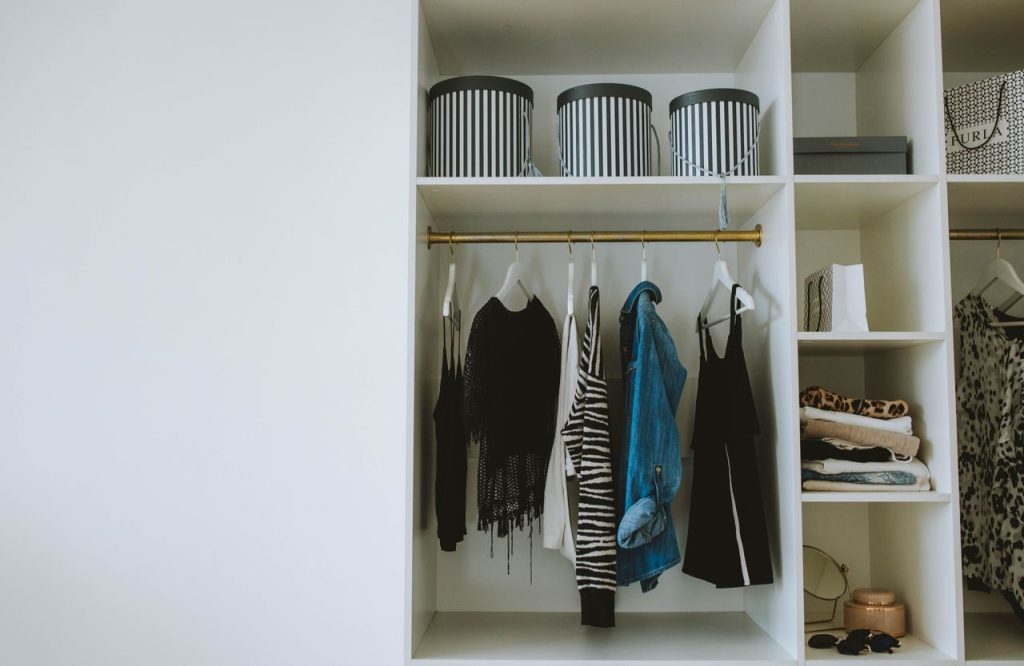
When designing a new home, it is easy to focus on kitchens, bathrooms, bedrooms and living spaces while treating storage as an afterthought.
That can be an expensive mistake. Good storage should be considered from the beginning of the design process, because the best opportunities are often built into the structure of the house.
This is particularly important when space is limited. According to the Office for National Statistics, the median floor area of houses in England and Wales is around 99 square metres. Detached houses have a larger median floor area of 136 square metres, but even a substantial home can quickly feel cluttered without enough storage.
As homeowners, we constantly accumulate more items and assets and the need for home storage constantly increases.
The good news is that storage does not always mean adding more rooms. It is often about making better use of the space you already have.
List of home storage options:
- Install full-height cupboards that run right up to the ceiling.
- Use the space beneath the stairs for bespoke cupboards, drawers or shelving.
- Build storage into the eaves of a loft or converted attic.
- Add fitted wardrobes rather than relying on freestanding furniture.
- Create a dedicated walk-in wardrobe where space allows.
- Use window seats with hidden storage underneath.
- Build cupboards into unused alcoves around chimney breasts.
- Add shallow cupboards along hallways or landings.
- Include pull-out pantry storage in the kitchen.
- Use full-height utility room cupboards for cleaning equipment and household supplies.
- Create built-in shelving around doors or windows.
- Add storage benches in entrance halls for shoes, bags and coats.
- Use the space above internal doors for high-level cupboards or shelving.
- Design bathroom furniture with integrated drawers and cupboards.
- Create a dedicated airing cupboard with shelving for towels and linen.
- Build drawers into staircases where the design allows.
- Use the garage for properly organised wall-mounted and overhead storage.
- Build a purpose-designed bike store outside rather than relying on a standard shed.
- Consider a secure garden storage building for tools, garden furniture and equipment.
- Use a shipping container or larger purpose-built outdoor store where substantial external storage is required, subject to planning and site constraints.
Take cupboards right to the ceiling
One of the simplest ways to increase storage is to use the full height of a room.
Instead of standard-height kitchen units or wardrobes with a gap above them, consider cupboards that extend right up to the ceiling. The additional space is ideal for items that are not needed every day, such as suitcases, Christmas decorations, spare bedding and larger household equipment.
Full-height storage also avoids creating awkward areas where dust and clutter collect.
In bedrooms, consider full-height fitted wardrobes rather than freestanding furniture. You can include a mixture of hanging space, drawers and higher-level cupboards to make the entire wall work harder.
Make use of the eaves for extra storage
If your house has a pitched roof, the areas behind the walls at eaves level can provide valuable storage.
Eaves storage can be particularly useful in bedrooms, bathrooms and loft rooms. Rather than simply boarding over the space and forgetting about it, if you are doing a loft conversion, think about incorporating proper doors, drawers or cupboards into the design.
It is worth considering access early in the project. A small door can provide useful access to deeper storage, while built-in cupboards can make the space much easier to organise.
Gov.uk says that unconverted loft areas and areas with less than 1.5 metres of headroom are treated differently when measuring residential floor space. That does not make these areas useless, however. They can still be extremely valuable for storage.
Turn the space under the stairs into a proper cupboard
The space under the stairs is often wasted or reduced to a small cupboard containing the vacuum cleaner.
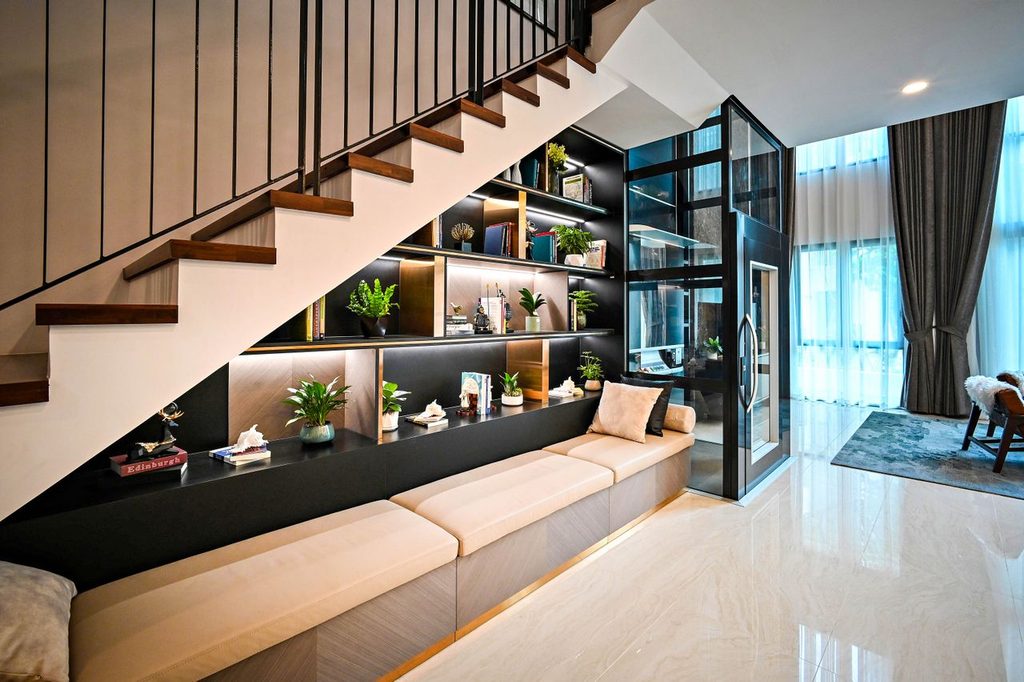
When building a house, there is an opportunity to design this space properly.
Depending on the layout, you could create:
- A full-height cupboard at the deeper end
- Pull-out drawers for shoes and coats
- Shelving for cleaning equipment
- A dedicated utility cupboard
- A concealed home office or workstation
- Storage for toys and everyday household items
A bespoke solution can make much better use of the irregular shape than an off-the-shelf cupboard.
Think beyond the kitchen
Kitchen storage is important, but there are plenty of other opportunities throughout the house.
Consider built-in storage in hallways, landings and bedrooms. A wide landing, for example, might have enough wall space for shallow cupboards without making the area feel cramped.
Likewise, a utility room can be designed around storage from the outset, with tall cupboards, shelving and dedicated spaces for appliances and household supplies.
The ONS’s research into property floor space specifically recognises fitted units, built-in cupboards and large walk-in cupboards as part of the usable space within a dwelling.
Do not forget the outside
Outdoor storage is often treated as an afterthought, but it can make a major difference to how the house feels.
A traditional shed is one option, but it is not the only solution.
If you have bicycles, gardening equipment, tools, sports equipment or outdoor furniture, consider designing a purpose-built storage building into the garden layout.
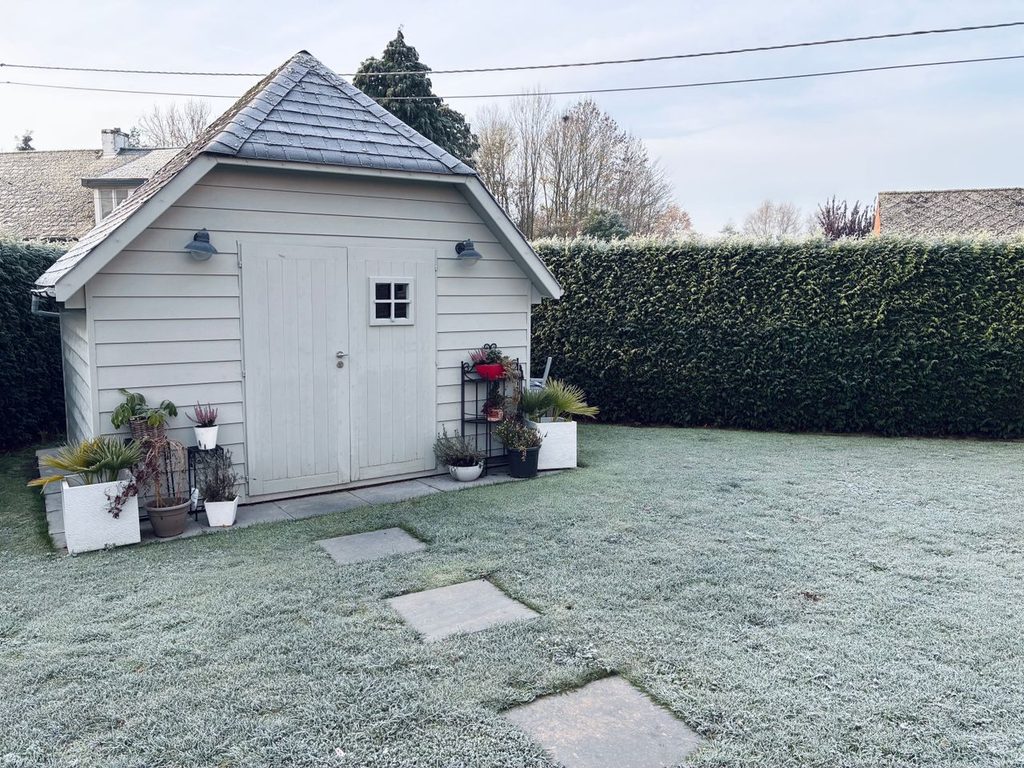
A dedicated bike store can be particularly useful. It can provide secure, weather-protected storage without bringing muddy bicycles through the house.
For larger storage requirements, a purpose-built garden store or even a properly designed shipping-container solution can provide substantial capacity. However, planning requirements, appearance, access and security should all be considered before choosing this approach.
Use every awkward space
The best storage is often found in places that would otherwise be difficult to use.
Think about the space above doorways, beneath windows, alongside chimney breasts and in corners.
You might also incorporate:
- Bench seating with lift-up storage
- Window seats with drawers underneath
- Built-in bookcases
- Shallow cupboards along corridors
- Pull-out pantry units
- Storage within bathroom furniture
- High-level cupboards in utility areas
These small decisions can add up to a surprising amount of additional storage.
Storage options when moving home or renting?
If you are in the middle of moving home or renting, you might be begging your parents to put things in their garage. Alternatively, you can use an outside company for storage between rentals – who can take all your items and charge a small fee for moving and holding onto these until you are ready. Companies like BoxCo offer this, carefully packing each item and bringing them back to you when ready in one piece.
Plan storage before you build
The most important point is to think about storage at the design stage rather than trying to find somewhere to put cupboards after the house is finished.
Walk through a typical day in the house and think about what you need to store and where you naturally use it.
Where will coats and shoes go when you come through the front door? Where will the vacuum cleaner live? What about suitcases, bicycles, sports equipment, children’s toys, cleaning products and garden furniture?
A little planning can prevent a lot of frustration later.
Storage does not necessarily require more floor space. It requires making intelligent use of the space you already have.
When designing a new home, look upwards, into corners, beneath stairs, behind walls and outside the main building. These overlooked areas could become some of the most useful parts of the house.

Daniel Tannenbaum
Head of Sales and Commercial, VZ Builders