Do You Require Planning Permission to Add Solar Panels?
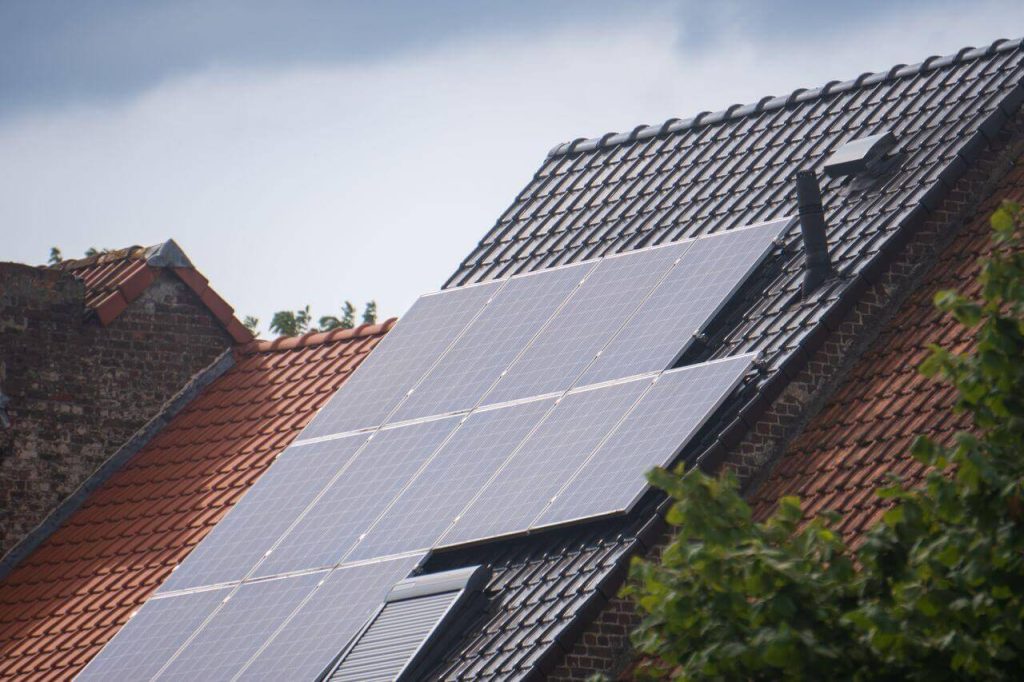
No, most homeowners in the UK do not need planning permission to install solar panels, provided the installation meets permitted development rules.
In England, solar panels on residential buildings are generally classed as permitted development, meaning you can install them without making a full planning application. However, there are important limits, and different rules apply to listed buildings, conservation areas and other designated locations.
VZ Builders are a team of home builders in Radlett and we offer solar panel installation as part of our service. For more information, call us on 01923 866 005.
Key takeaways
- Most standard solar panel installations on homes do not require planning permission in England.
- Solar panels must meet specific size, position and height limits to qualify as permitted development.
- Solar panels typically start from around £6,000, with payment plans available to repay in instalments
- A typical solar installation takes one to two days, although the time from purchase to installation depends on the installer and availability.
Why do solar panels not require planning permission?
Solar panels can often be installed without planning permission because the government has given homeowners permitted development rights. These rights allow certain home improvements to be carried out without making a planning application, provided the work meets set conditions.
For roof-mounted solar panels, the panels generally must follow the slope of the roof and should not project more than 200mm from the roof surface. On a flat roof, the equipment must not normally be more than 600mm higher than the highest part of the roof.
There are exceptions. For example, additional restrictions can apply if your home is listed, within a conservation area or on other designated land. If you are unsure, it is sensible to check with your local planning authority before starting work.
These rules are specifically for England. Planning rules can differ elsewhere in the UK, so homeowners in Scotland, Wales or Northern Ireland should check the rules for their area.
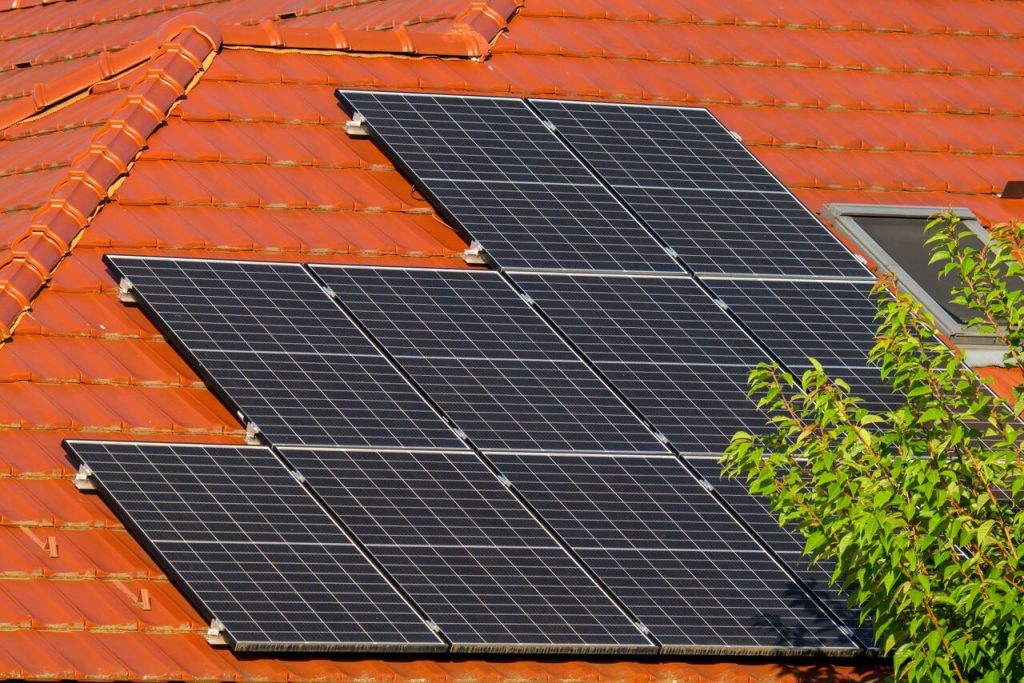
The UK government has said that solar panels do not require planning permission assume you meet the basic conditions.
What additions or renovations do require planning permission in the UK?
Planning permission depends on the type and scale of the work. Some projects can also be permitted development if they meet certain conditions.
Common projects that may require planning permission include:
- Large house extensions that go beyond permitted development limits.
- Two-storey or larger extensions that exceed the relevant restrictions.
- Loft conversions that exceed permitted development limits, such as the 40 cubic metre allowance for terraced houses or 50 cubic metres for many other houses.
- Building a new home or separate dwelling on your property.
- Major alterations to listed buildings, which may also require listed building consent.
- Certain developments in conservation areas, National Parks, Areas of Outstanding Natural Beauty and other designated areas.
Remember that planning permission and building regulations are different. Even where planning permission is not required, building regulations approval may still be necessary.
How much do solar panels typically cost in the UK?
The typical cost of installing solar panels in the UK is around £6,100, although the final price will depend on the size of your system, your property and whether you add battery storage. A solar panel system is a significant upfront investment, but you do not necessarily have to pay the full amount at once.
Many installers offer finance options, allowing you to pay for your solar panels in instalments over an agreed period. This can make the initial cost more manageable while you start reducing your electricity bills. It is important to compare the total cost of finance, including any interest or fees, rather than only looking at the monthly payment. Getting at least three quotes is also recommended, as prices can vary between installers.
Are solar panels worth it? How much can I save using solar panels?
For many homes, solar panels can be a worthwhile investment because they allow you to generate some of your own electricity rather than buying all of it from the grid.
However, your potential savings depend on several factors. These include the size of your solar system, roof direction, shading, electricity usage and how much of your generated electricity you use at home. Energy Saving Trust says these factors can have a significant effect on how quickly you recover the installation cost.
According to the Energy Saving Trust, they report a home with a 4kW solar PV system generating around 3,700kWh of electricity each year.
You may also be able to receive payments for surplus electricity exported to the grid through the Smart Export Guarantee. The exact financial return will depend on your energy supplier and tariff.
How long do solar panels take to install after purchase?
Once you have chosen an installer and your system has been designed, the physical installation is usually quite quick. Energy Saving Trust says most home solar panel installations take one to two days.
The full process can take longer because it may include a roof survey, system design, ordering equipment, arranging scaffolding and completing electrical or grid requirements.
The best approach is to ask your installer for a realistic installation date before you purchase. A reputable installer should also explain what permissions, certificates and approvals are needed.
Overall, solar panels are relatively straightforward to install, and most standard residential systems do not need full planning permission in England. However, checking your property’s circumstances before work begins can help you avoid costly problems later.

Daniel Tannenbaum
Head of Sales and Commercial, VZ Builders