Can You Start Building On a Property Whilst It Is In Probate?
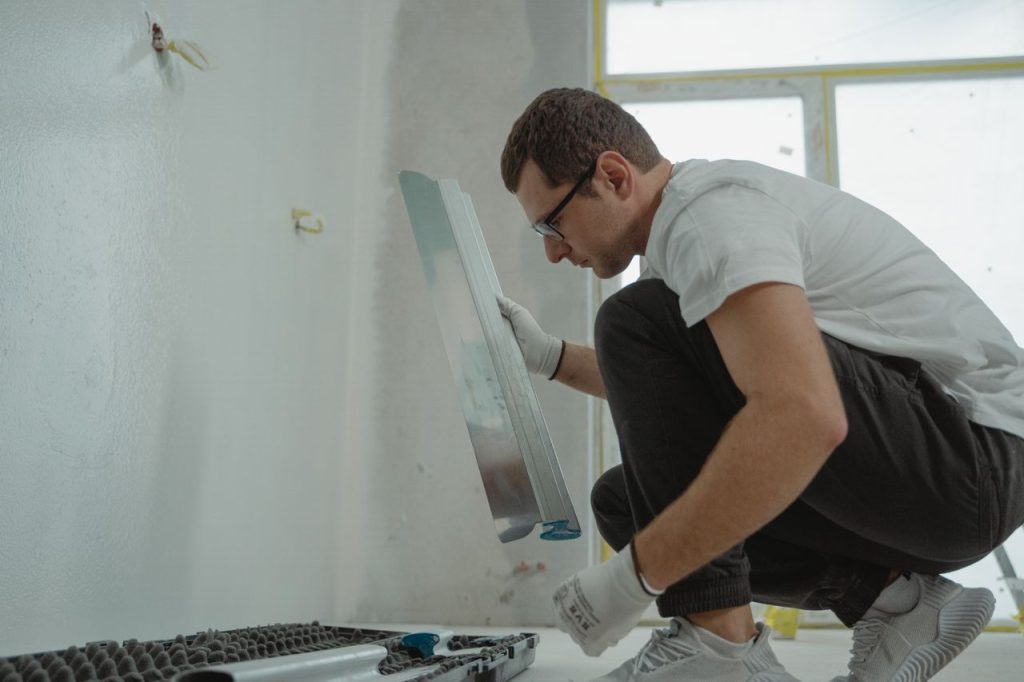
In most cases, you should not start major building work on a property while it is going through probate until the person dealing with the estate has the legal authority to do so.
Probate gives the executor the legal right to deal with the deceased person’s property, money and possessions.
Legally, you are able to make property changes before probate is granted, and you can do this with the permission of all other beneficiaries and stakeholders, or it can create confusion and complications before all assets and monies have been distributed.
GOV.UK specifically advises that you should not make financial plans or put a property on the market until probate has been granted.
Key points
- Legally, yes, you are allowed to do building work before probate is granted, but this could be risky if there are other stakeholders
- Major building work can create financial and legal risks if probate has not been granted.
- Executors are responsible for protecting and managing estate assets during the administration period.
- If work is necessary, taking legal advice before spending estate money can help avoid problems later.
What does probate mean for a property?
Probate gives the person legally responsible for an estate the authority to deal with the deceased’s property, including maintaining, selling or transferring it. This is typically the children of the deceased or a close relative.
Probate can take around 9-12 months to be granted, depending on the complexity, and is a period which undergoes a legal process to get the person’s estate in order. Once probate is granted, everyone in the will is paid out.
But there are often complications with probate, such as getting the initial probate grants from the government (around 5 weeks on average), being able to sell off the person’s estate and also other issues that may emerge amongst beneficiaries who want to stake their claim and are not happy with what they are receiving.
When the deceased person has multiple assets, debts, liabilities, properties and investments across different countries, calculating the estate and sharing it can be become timely and complex.
However, there is an important difference between maintaining a property and starting a major building project.
Can building work take place before probate?
Yes, necessary work on the deceased’s home may sometimes be appropriate, particularly if it is needed to protect or upgrade the property. Sometimes the relatives want to live in the property so want to refurbish it, or upgrade the property if they are looking to sell it for a higher figure.
For example, repairing a leaking roof, fixing a dangerous electrical problem or dealing with damage that could make the property unsafe may be sensible. Leaving urgent problems unresolved could reduce the property’s value or lead to further damage.
Major improvements are different. House extensions, converting rooms, carrying out a large renovation or spending substantial amounts of estate money could be difficult to justify before the executor has full authority.
The key issue is whether the work is genuinely necessary to protect the estate or whether it is an improvement that could wait until probate has been granted.
Should you hold off on building work before you have paid off inheritance tax?
Inheritance tax can be very expensive for estates worth over £1 million (you are exempt for estates at £500,000 per person). Since the tax is due just 6 months after the person dies, you may want to hold back funds to pay your inheritance tax, rather than invest heavily in building costs and work.
For instance, an estate valued at £1.5 million faces an Inheritance Tax (IHT) bill ranging between £200,000 and £470,000, depending on your marital status and whether you leave a home to direct descendants.
Why is it risky to start work before probate has been granted?
Building work can involve significant costs. If the property is later sold or passed to a beneficiary, other people involved in the estate may question why money was spent on the project.
There can also be disagreements between beneficiaries. One beneficiary may want the property sold, while another may want improvements carried out before a sale.
An executor has a responsibility to deal with the estate properly. Spending money on an unnecessary project could therefore create difficulties if the decision is later challenged.
There may also be practical issues with planning permission, building regulations, insurance and contracts with builders. These should all be considered before work starts.
How long might probate take?
Probate does not always take the same amount of time. The latest Ministry of Justice figures show that probate grants took around five weeks on average to be issued between April and June 2026. However, applications that were stopped took around 14 weeks on average, compared with two weeks for applications that were not stopped.
The figures also show how much work the Probate Service handles. There were 61,941 probate applications between April and June 2026, with 57,698 probate grants issued during the same period.
This means it may be tempting to begin work while waiting. However, a short wait for probate could be preferable to committing the estate to a major project that later causes problems.
What should you do during probate before starting building work?
If the work is urgent, speak to a solicitor who deals with probate and estates before instructing a house builder. They can advise whether the proposed work is necessary and whether the executor has sufficient authority to proceed.
It is also sensible to keep clear records of any spending and the reasons for carrying out the work. Obtain quotes and keep invoices, photographs and relevant reports.
For substantial projects, waiting until probate has been granted will usually provide greater certainty about who has authority to deal with the property.
Building work on a property during probate is not automatically impossible, but major improvements should be approached with caution. Necessary repairs may be justified where they protect the estate, while significant renovations can create legal, financial and family disputes if undertaken too soon.
Since every estate is different, getting professional advice before committing estate funds to building work is a sensible step.

Daniel Tannenbaum
Head of Sales and Commercial, VZ Builders